
Service Detail
Pet Turf Installation in Sugar Land, TX
Professional pet turf installation for Sugar Land, TX and surrounding communities.
Service Overview
How pet turf installation projects are scoped.
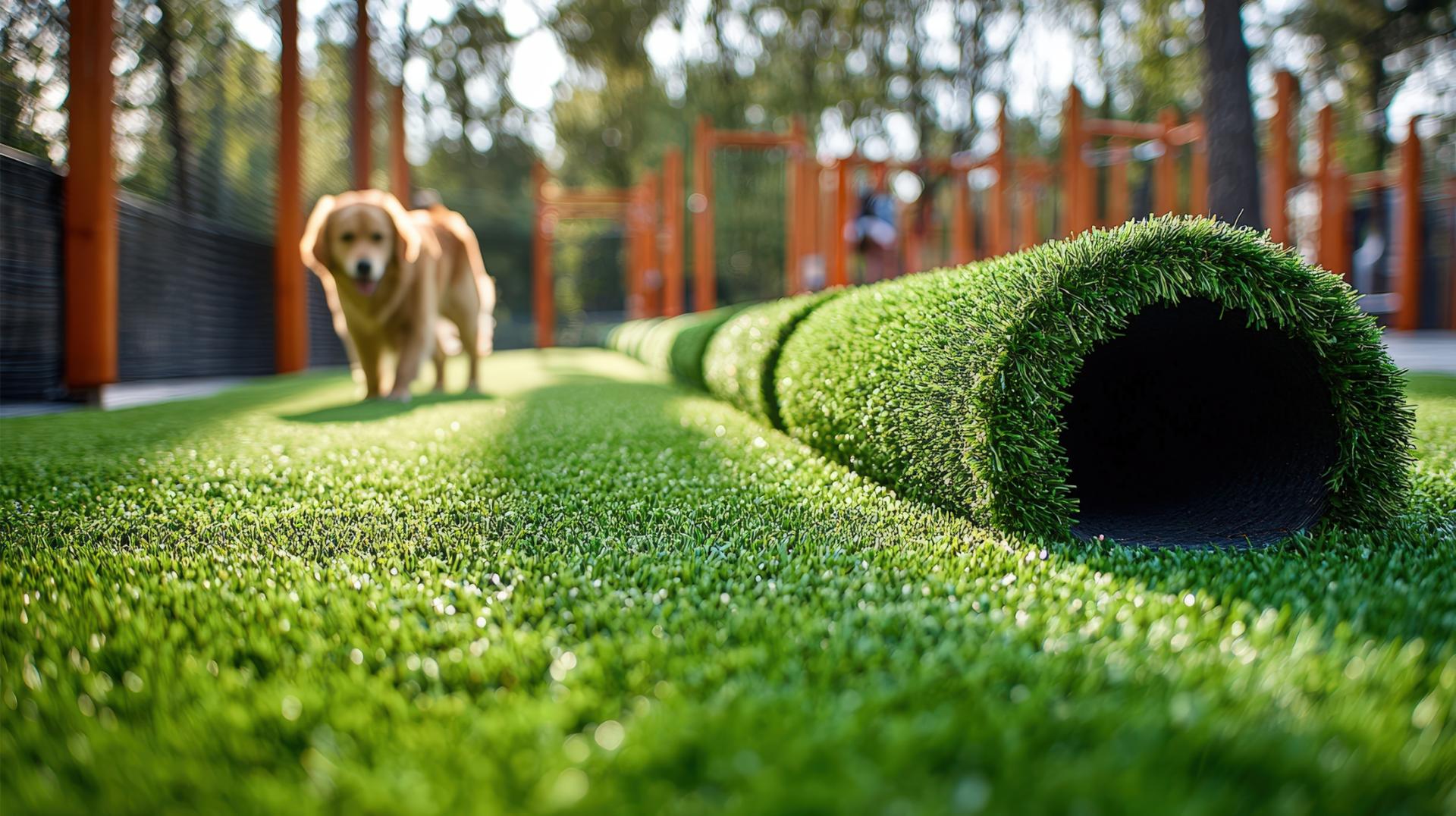
Give your furry friends a safe, clean, and durable outdoor space with our specialized pet turf installation. Our pet-friendly synthetic grass is designed to withstand heavy use while staying odor-free and easy to clean.
Primary Fit
Pet Turf Installation
Service Area
Sugar Land + nearby cities
Common Uses
No more muddy paws in the house
Project Goal
Antimicrobial infill options
What The Work Includes
Key features
- Antimicrobial infill options
- Superior drainage for pet waste
- Durable against digging and wear
- Easy to clean and maintain
- Non-toxic and pet-safe materials
Why Customers Choose It
Project benefits
- No more muddy paws in the house
- Eliminates yellow grass spots
- Reduces odors with proper drainage
- Safe and comfortable for pets
- Stays green despite heavy use
Detailed Service Content
More about pet turf installation
The long-form service copy stays intact, but it now renders inside the redesigned content system rather than the older template.
Pet turf installation in Sugar Land requires a more specific engineering approach than general residential turf. Dogs have predictable behavioral patterns—they establish territorial marking zones, develop worn pathways along fence perimeters, and concentrate waste elimination in preferred corners. A well-designed pet turf installation accounts for those patterns at the planning stage rather than discovering them after the first season.
Artificial Grass of Sugar Land designs pet turf systems around drainage performance, antimicrobial control, durability in concentrated-use zones, and the specific dog behaviors of the household. The result is a surface that is genuinely usable for both the dog and the family rather than a turf field that handles some pet conditions better than others.
Why Standard Turf Specifications Fall Short for Pet Installations
Residential turf specified for general yard use—silica sand infill, standard backing drainage, 60 to 70 ounce face weight—delivers acceptable performance in a family yard where a dog uses the space alongside children and adult foot traffic. That same specification applied to a dedicated dog run, a backyard used primarily by two or three large dogs, or a multi-pet household sees accelerated wear and odor development faster than the product's rated lifespan.
The difference is load concentration. A dog that uses a specific corner of the yard for elimination concentrates waste in one zone. Without antimicrobial infill treatment and backing drainage specifically engineered for that load, bacteria accumulates in the infill layer and produces odor that does not resolve with rinsing alone. Dogs that pace fence lines create a wear pattern along a single path that compresses the face weight in a linear zone. Digging behavior at the base of fences can displace infill and create edge lifting.
Drainage Engineering for Pet Turf
Drainage is the foundational specification for pet turf. The backing drainage rate needs to be sufficient to clear liquid waste through the turf system under the actual use load of the specific household—not the average residential use scenario.
For a single dog in a standard Sugar Land backyard, backing systems rated at 20 to 30 inches per hour are adequate. For multi-dog households, dedicated dog runs with concentrated use patterns, or apartment pet area installations, we increase the drainage rate specification and may add subsurface drainage infrastructure—perforated pipe runs beneath the aggregate base that create additional lateral drainage capacity.
The aggregate base below a pet turf installation also matters. Standard crushed aggregate compacted to residential spec does not create the same drainage environment as a looser, coarser aggregate specifically specified for pet systems. We use aggregate gradation appropriate to the drainage requirements of the specific pet load the installation needs to handle.
Antimicrobial Infill: What It Does and What It Does Not Do
Antimicrobial infill is a standard specification for pet turf installations at Artificial Grass of Sugar Land. The antimicrobial compounds are embedded in the infill material—typically silica sand or thermoplastic elastomers—and reduce bacterial growth in the infill layer where pet waste contacts the surface.
It is important to be precise about what antimicrobial infill accomplishes. It reduces bacterial growth in the infill zone, which is the primary source of sustained odor development in pet turf over time. It does not replace rinsing—regular rinsing with water is still the primary method for clearing liquid waste from the surface and through the backing. Antimicrobial infill works alongside rinsing to prevent the bacterial accumulation that rinsing alone does not fully address.
For households with senior dogs, incontinent dogs, or very high pet density, we discuss the potential benefit of enzymatic cleaner use alongside routine rinsing. Enzymatic cleaners break down organic compounds rather than diluting them, which is more effective in concentrated waste zones.
Durability Specifications for Dog Behavior Patterns
Dogs interact with turf surfaces in ways that stress specific product characteristics.
Fence line pacing. Dogs that pace along fence perimeters create a single-path wear corridor. The blade face weight in that corridor is repeatedly compressed in the same direction. We recommend face weights of 70 ounces or higher for installations in households with fence-pacing dogs, and blade geometries with strong recovery characteristics.
Digging behavior. Digging at the base of fences and gates dislodges infill and can displace the turf edge. We anchor the perimeter edging adjacent to fence lines with deeper stakes and use a heavier edging material at gate posts where digging behavior concentrates. For households with persistent diggers, we discuss the benefit of a concrete or paver apron at fence bases.
Concentrated wear zones. The exit path from a door or gate to a dog's preferred outdoor areas compresses the turf face repeatedly. This is predictable from the household's layout and can be planned for in product selection before installation rather than addressed as a problem after wear is visible.
Pet Turf in Multi-Family and Apartment Settings
Sugar Land's apartment communities—particularly those serving young professional residents and families in transition—increasingly include pet turf in dedicated dog park areas and pet relief stations. These installations handle the use load of multiple dogs from multiple households, which significantly changes the drainage and antimicrobial requirements compared to a single-household backyard.
For multi-family pet installations, we use commercial-grade products with maximum face weight and drainage specifications, subsurface drainage infrastructure, and antimicrobial infill throughout the full installation footprint. Maintenance protocols for multi-family pet turf are also more intensive—we provide property management with a documented care schedule appropriate to the use load.
Installation Process for Sugar Land Pet Turf Projects
The pet turf installation process begins with a site assessment that includes a conversation about the specific dogs: breed, size, behavior patterns, number of animals, and how they typically use outdoor space. This information affects base depth, drainage specification, product selection, and infill choice.
Base preparation for pet turf is typically deeper than standard residential installation—we excavate to create space for a drainage-optimized aggregate base before the turf is installed. Where subsurface drainage pipe is part of the scope, it is installed in the aggregate layer before compaction and turf placement.
At completion, we walk the finished installation with the homeowner and review the maintenance routine appropriate to their specific household. This includes rinsing frequency, the use of any cleaning products, and what signs to watch for that indicate infill service or replenishment is needed. A pet turf system that is maintained consistently performs significantly longer than one that is neglected and then addressed only when odor or appearance problems become visible.
Project Step
Consultation
We evaluate the site, traffic level, drainage, edges, and how you want the surface to perform once the project is finished.
Project Step
Product Match
Material selection is tied to the project. Lawn replacements, pet areas, putting greens, and commercial spaces all need different performance priorities.
Project Step
Prep + Install
Base work, seam placement, edges, and infill are all handled with the finished appearance and long-term stability in mind.
Project Step
Final Walkthrough
We review the completed surface with you, confirm care expectations, and make sure the space is ready for normal use.
FAQs
Questions about pet turf installation
These answers remain tied to the service route and continue supporting the page’s FAQ schema.
How often should I rinse pet turf in a Sugar Land backyard?
For standard single-dog households, rinsing the primary waste zone two to three times per week is typically sufficient combined with antimicrobial infill. Higher-use installations with multiple dogs or concentrated waste patterns benefit from daily rinsing of the primary zones.
Does pet turf actually eliminate odor, or does it just reduce it?
Properly designed pet turf with antimicrobial infill and adequate drainage significantly reduces odor compared to natural grass in the same use scenario. Complete odor elimination requires consistent rinsing. Antimicrobial infill reduces the bacterial accumulation that causes persistent odor that rinsing alone does not address.
What is the right drainage specification for a household with three large dogs?
For a multi-dog household with concentrated outdoor use, we recommend backing systems rated at 30 to 50 inches per hour, a drainage-optimized aggregate base, and subsurface drainage infrastructure in high-use zones. The specification is higher than standard residential turf.
Can pet turf be installed in the same backyard as children's play areas?
Yes. We typically design the yard with zone differentiation—a dedicated pet area with antimicrobial and drainage specifications appropriate to dog use, and a play area with product and infill selected for children's safety and comfort. The zones share the same installation but use different specifications where appropriate.
What face weight should I specify for a dog that paces the fence line?
For fence-pacing dogs, we recommend face weight at 70 ounces per square yard or higher with C-shaped or W-shaped blade geometry. This specification provides better resistance to the single-direction compression pattern that fence line pacing creates.
Related Service Areas
Find this service in the cities we cover.
The service route now connects visually and structurally to the location pages instead of leaving the templates disconnected.