
Service Detail
Artificial Turf Installation in Sugar Land, TX
Professional artificial turf installation for Sugar Land, TX and surrounding communities.
Service Overview
How artificial turf installation projects are scoped.
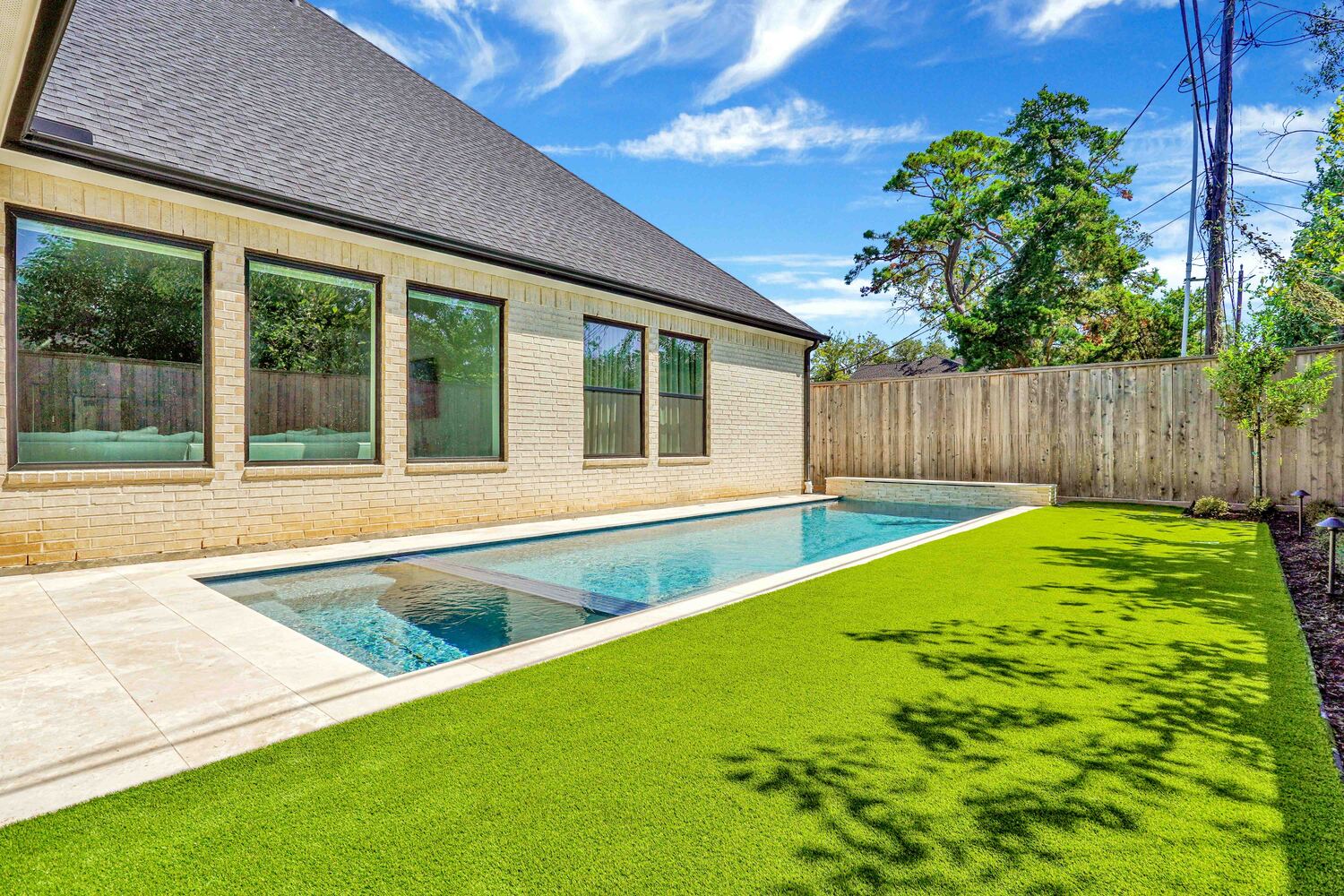
Professional artificial turf installation services for homes and businesses in Sugar Land and surrounding areas. We use premium synthetic grass that looks and feels like real grass while requiring minimal maintenance.
Primary Fit
Artificial Turf Installation
Service Area
Sugar Land + nearby cities
Common Uses
No watering or mowing required
Project Goal
Premium quality synthetic grass materials
What The Work Includes
Key features
- Premium quality synthetic grass materials
- Professional installation by experienced crews
- Proper base preparation and drainage
- Custom design to fit your space
- UV-resistant and pet-friendly options
Why Customers Choose It
Project benefits
- No watering or mowing required
- Stays green year-round
- Safe for children and pets
- Durable and long-lasting
- Increases property value
Detailed Service Content
More about artificial turf installation
The long-form service copy stays intact, but it now renders inside the redesigned content system rather than the older template.
Artificial turf installation in Sugar Land is not a one-size process. The properties here span First Colony's established village sections with mature oaks and Bermuda beds, Riverstone's Newland communities where rear-facing greenbelt setbacks create specific drainage considerations, Telfair townhome courtyards where square footage is tight and HOA review is strict, and Greatwood yards where large Brazos floodplain-adjacent lots need careful base grading. Artificial Grass of Sugar Land approaches each installation with those differences in mind.
What Drives Installation Decisions in Fort Bend County
Fort Bend's clay-heavy soils expand and contract significantly through wet-dry cycles. This is not an abstraction—it directly affects how base layers need to be prepared before any turf surface goes down. A standard excavation depth that works in sandy Houston-adjacent soil may not create stable compaction on Fort Bend black clay. Our installation process accounts for soil type, existing drainage infrastructure, slope orientation, and adjacent hardscape before we spec any base material.
Sugar Land's premium HOA communities add another layer of planning. First Colony's architectural review process, Riverstone's landscaping standards, and Telfair's frontage guidelines each have distinct expectations about turf appearance, edge treatment, and transitions to planting beds. We document product specifications and can provide samples or manufacturer datasheets for the review committee process.
Installation Steps for Sugar Land Properties
Site Evaluation: We walk the area with the homeowner or property manager to assess runoff patterns, existing irrigation conflicts, elevation differences between lawn zones, and how the finished surface will transition to concrete, decomposed granite, or mulch beds. For Sugar Land properties where underground irrigation systems are common, we discuss decommissioning or capping before excavation begins.
Excavation and Base Preparation: Depth depends on intended use. A residential front yard in a First Colony village typically requires three to four inches of excavation. A pet-focused backyard with drainage performance as the primary goal needs additional depth for aggregate. A putting surface or playground zone calls for its own base spec. Crushed aggregate is compacted in lifts to a consistent density before any turf is rolled out.
Weed Barrier and Edging: A commercial-grade weed barrier is installed before infill. Edging systems—typically nailed bender board or concrete anchoring depending on the adjacent surface—create clean perimeter lines and secure the turf edge so it does not lift under the SUV humidity swings common to Sugar Land summers.
Turf Layout and Seaming: Rolls are oriented consistently and seam placement is planned to minimize visibility. On complex shapes—the irregular lot lines common in First Colony's curved-street village sections, or the L-shaped backyards in Riverstone—seaming strategy matters as much as product selection. Adhesive and seaming tape are applied carefully, with sufficient cure time before infill.
Infill Distribution: Infill type is selected based on application. Silica sand is the standard base infill. For pet areas, antimicrobial options are available. For playground surfaces, engineered infill that contributes to critical fall height compliance is used. Infill is worked in with a power broom, and a final pass grooms the blades upright.
Pile Heights, Blade Profiles, and What They Mean for Sugar Land Homes
Premium residential turf in Sugar Land typically falls in the 1.5-inch to 2-inch pile height range. Taller piles create a softer visual impression from the street, which is why they perform well on First Colony front yards where neighbors notice detail. Shorter piles are appropriate for functional backyard zones where play, dog traffic, or foot movement is the primary concern.
Blade shape affects how a surface holds up over time. Flat monofilament blades lie down and mat after sustained traffic. C-shaped and W-shaped profiles create air pockets that help blades recover. This matters in the Sugar Land backyard context where extended family gatherings—the multi-generational household configurations common in Fort Bend's Indian, Pakistani, and Chinese communities—can mean a single space cycling through three generations of daily activity.
Face weight—measured in ounces per square yard—indicates how much fiber is in the product. Higher face weight correlates with density and durability. We typically recommend 60 to 80 ounce products for residential lawn applications and 90-plus ounce materials for commercial or high-traffic specialty areas.
Drainage Planning Along the Brazos Corridor
Sugar Land's location in the Brazos River watershed means the development geography includes zones with strong drainage infrastructure and zones where surface water management is a homeowner responsibility. Riverstone's engineered detention systems move water efficiently but can create localized backpressure during Harvey-scale rainfall events. Telfair's denser lot patterns concentrate impervious cover.
Our installations are graded toward existing drainage points—channel drains, French drains, or natural low spots—rather than away from them. Where the existing drainage infrastructure is insufficient, we discuss add-on solutions before the turf goes down rather than after the first rain event exposes a problem.
Commercial Applications: Sugar Land Town Square, Highway 59 Corridor, Highway 90A Retail
Commercial properties along the Highway 59 interchange, Sugar Land Town Square perimeter, and the First Colony commercial zone along Sweetwater Boulevard require a different installation approach than residential work. Traffic loads are higher. Maintenance access windows are narrower. Visual consistency across large footprints—a hotel entry, a medical office frontage, a retail pad adjacent to the Smart Financial Centre—demands careful seam planning and edge detailing.
We have handled commercial installations where the project runs adjacent to active business operations. We schedule in phases, coordinate with property managers on access, and use commercial-grade materials with appropriate face weight for the expected use pattern.
What the Installation Process Looks Like from Consultation to Completion
Most residential projects in Sugar Land run two to four days depending on site size and complexity. The first day is dedicated to excavation and base preparation. The second handles turf layout, seaming, and initial infill. A final day covers finishing, cleanup, and walkthrough. Larger properties—especially the half-acre to full-acre lots in Greatwood and New Territory—may extend slightly, but we keep homeowners informed at each stage.
At completion, we walk the finished surface with you, review care and maintenance expectations, and confirm that drainage and seam performance meets your expectations. Artificial Grass of Sugar Land stands behind the installation, not just the product.
Project Step
Consultation
We evaluate the site, traffic level, drainage, edges, and how you want the surface to perform once the project is finished.
Project Step
Product Match
Material selection is tied to the project. Lawn replacements, pet areas, putting greens, and commercial spaces all need different performance priorities.
Project Step
Prep + Install
Base work, seam placement, edges, and infill are all handled with the finished appearance and long-term stability in mind.
Project Step
Final Walkthrough
We review the completed surface with you, confirm care expectations, and make sure the space is ready for normal use.
FAQs
Questions about artificial turf installation
These answers remain tied to the service route and continue supporting the page’s FAQ schema.
How does Fort Bend County clay soil affect artificial turf installation?
Clay soil in Fort Bend expands when wet and contracts when dry, which can affect base compaction over time. Our installation process uses appropriate excavation depth, crushed aggregate with proper compaction, and edge anchoring techniques that account for soil movement common in the Sugar Land area.
Do you work with HOA architectural review committees in First Colony and Riverstone?
Yes. We can provide product specification sheets, manufacturer documentation, and sample materials for HOA review committee submissions. We are familiar with typical landscaping standards in First Colony's village sections and Riverstone's Newland communities.
How long does a residential installation take in Sugar Land?
Most residential projects in Sugar Land run two to four days depending on square footage, site complexity, and access. We walk you through the timeline during consultation so you know what to expect at each stage.
Can artificial turf be installed over an existing irrigation system?
We recommend decommissioning or capping the irrigation system before installation to prevent future leaks beneath the turf. We discuss this during the site evaluation and can coordinate the process before excavation begins.
What pile height works best for Sugar Land front yards?
For curb-facing installations in First Colony, Telfair, and similar neighborhoods where visual impression from the street matters, we typically recommend 1.5 to 2-inch pile heights with multi-tone blade coloring. This provides a dense, natural look at the HOA-scrutinized distances common in these communities.
Related Service Areas
Find this service in the cities we cover.
The service route now connects visually and structurally to the location pages instead of leaving the templates disconnected.